


On The Joe Rogan Experience, anthropologist Dr. Michael Masters claimed that humans can change sex through a disorder in which ‘females turn into males at puberty.’
That conclusion is false. The disorder exists, but it does not involve sex change.
Let’s examine Masters’ claims with scientific evidence.
1 - First, he claims that some isolated island populations have a condition where they all grow up as female until puberty transforms some of them into males.
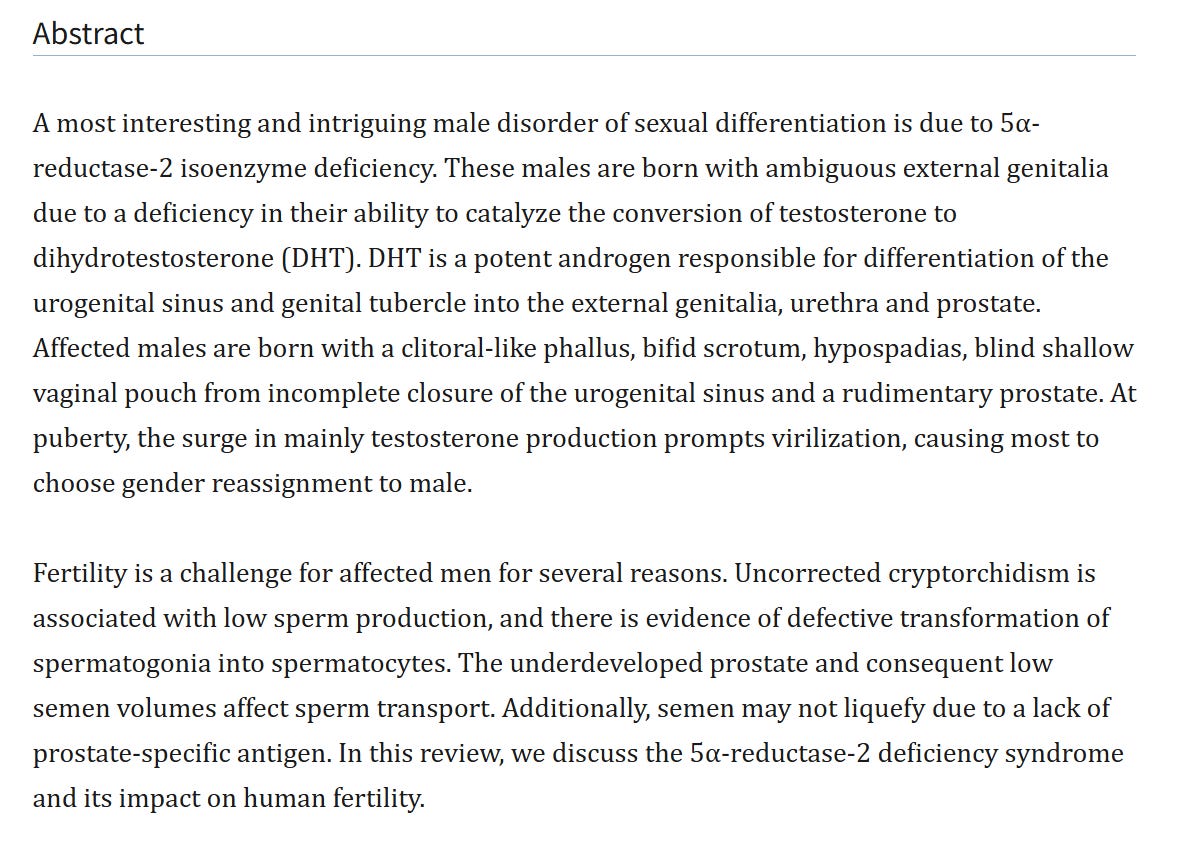
This disorder is known as 5-alpha reductase deficiency (5-ARD), common in certain parts of the world such as the Dominican Republic. But affected individuals do not begin as females. It is a MALE ONLY disorder of sex development. In the womb, affected males develop testes like normal, but cannot complete the growth of their penis and scrotum because they are unable to produce DHT due to an enzyme deficiency. DHT is a potent testosterone required for the development of the male’s penis and scrotum and descent of the testes (Kumar et al, 2022). Without it, males are born with external genitalia that is underdeveloped
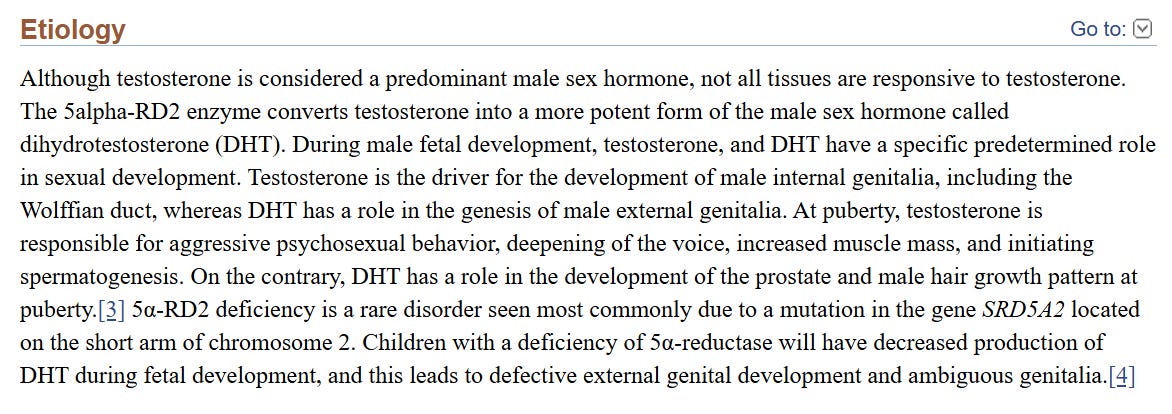
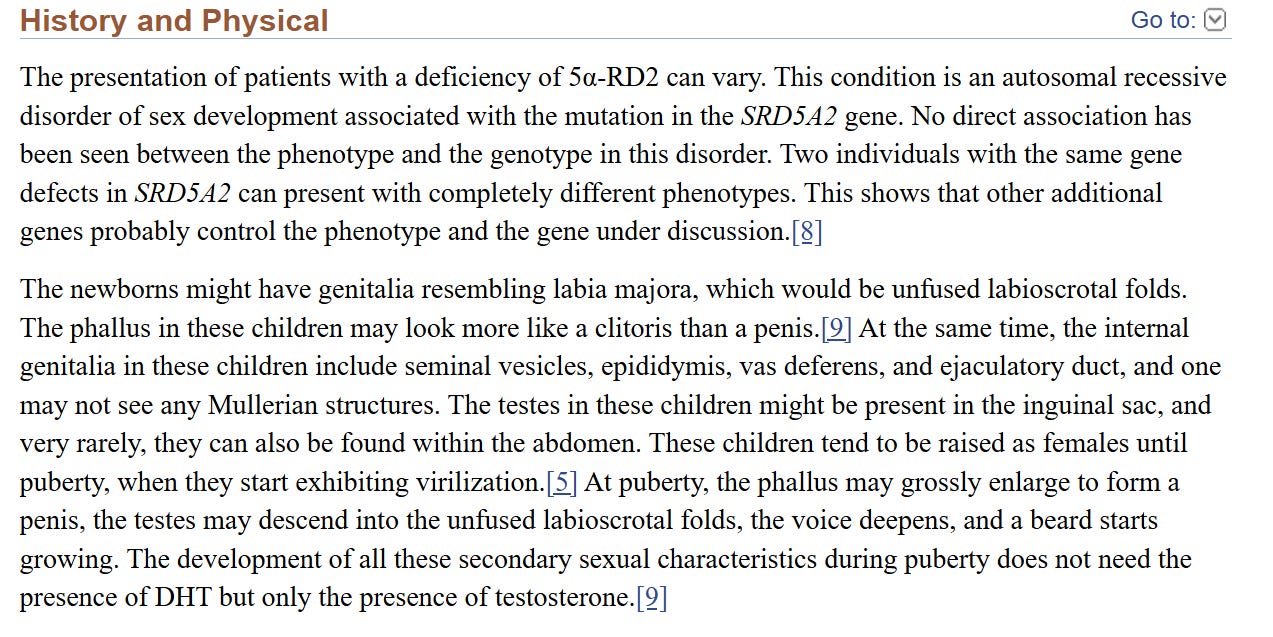
At puberty, the surge of testosterone from their testes is sufficient to cause masculinization of their external genitalia and body, with some experiencing descent of the testes and development of the penis and scrotum. These males were never females.
2 - He claims that the disorder is caused by insensitivity to DHT.
No, their androgen receptors work normally. This is why they can masculinize at puberty when the testes create a surge of testosterone. The problem is that the body cannot produce enough DHT during fetal development for their external genitalia (Kang et al. 2014). This is an enzyme production issue, not a receptor failure
3 - He claims that their ovaries descend and become testes at puberty.
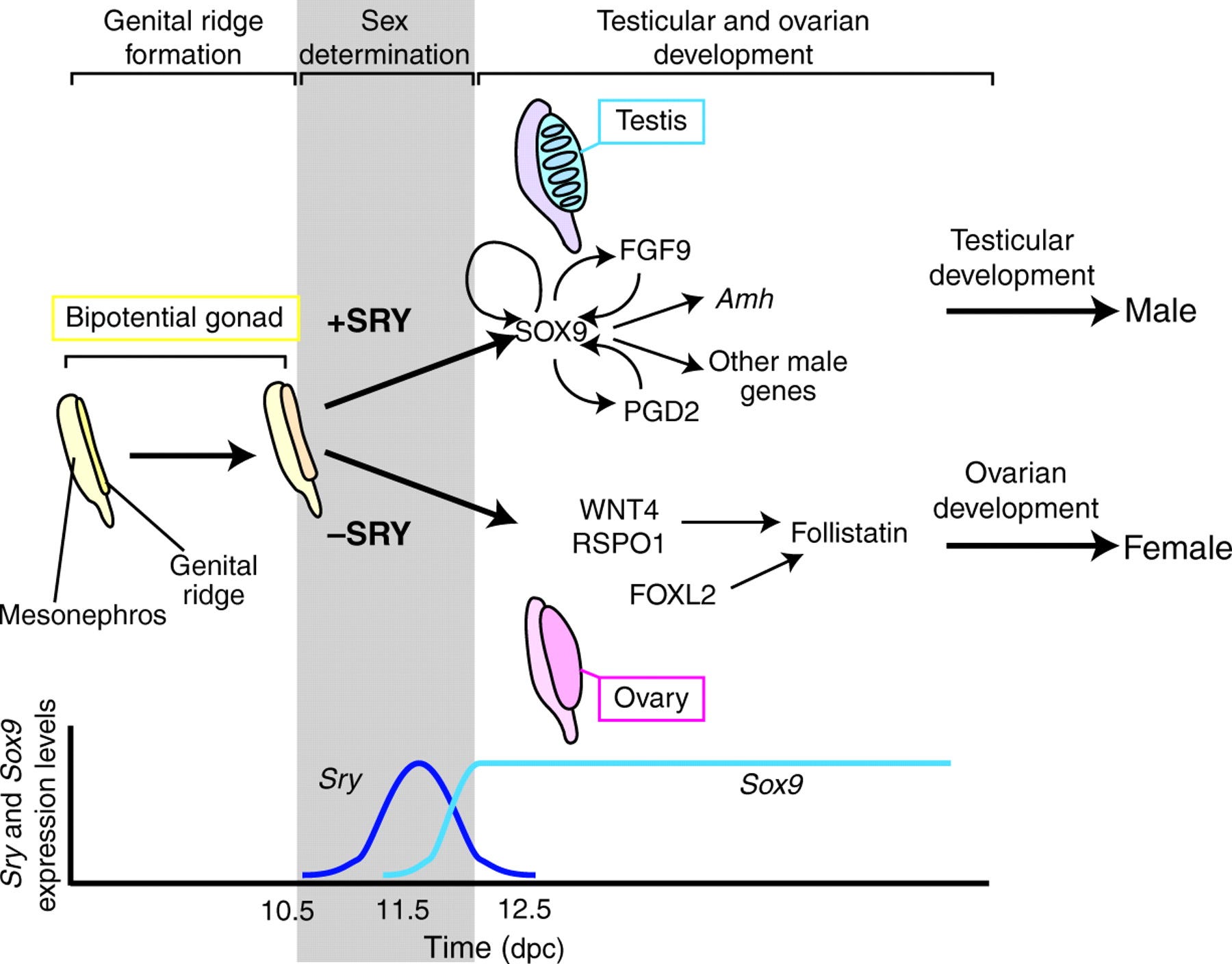
But these males never had ovaries. They have the SRY gene, which causes the bipotential gonads to differentiate into testes (Kashimada & Koopman, 2010). This does not happen during puberty. This happens at 6 weeks gestation. Failure of the testes to descend does not make them ovaries
.
4 - He then claims that they transform into the opposite sex at puberty.
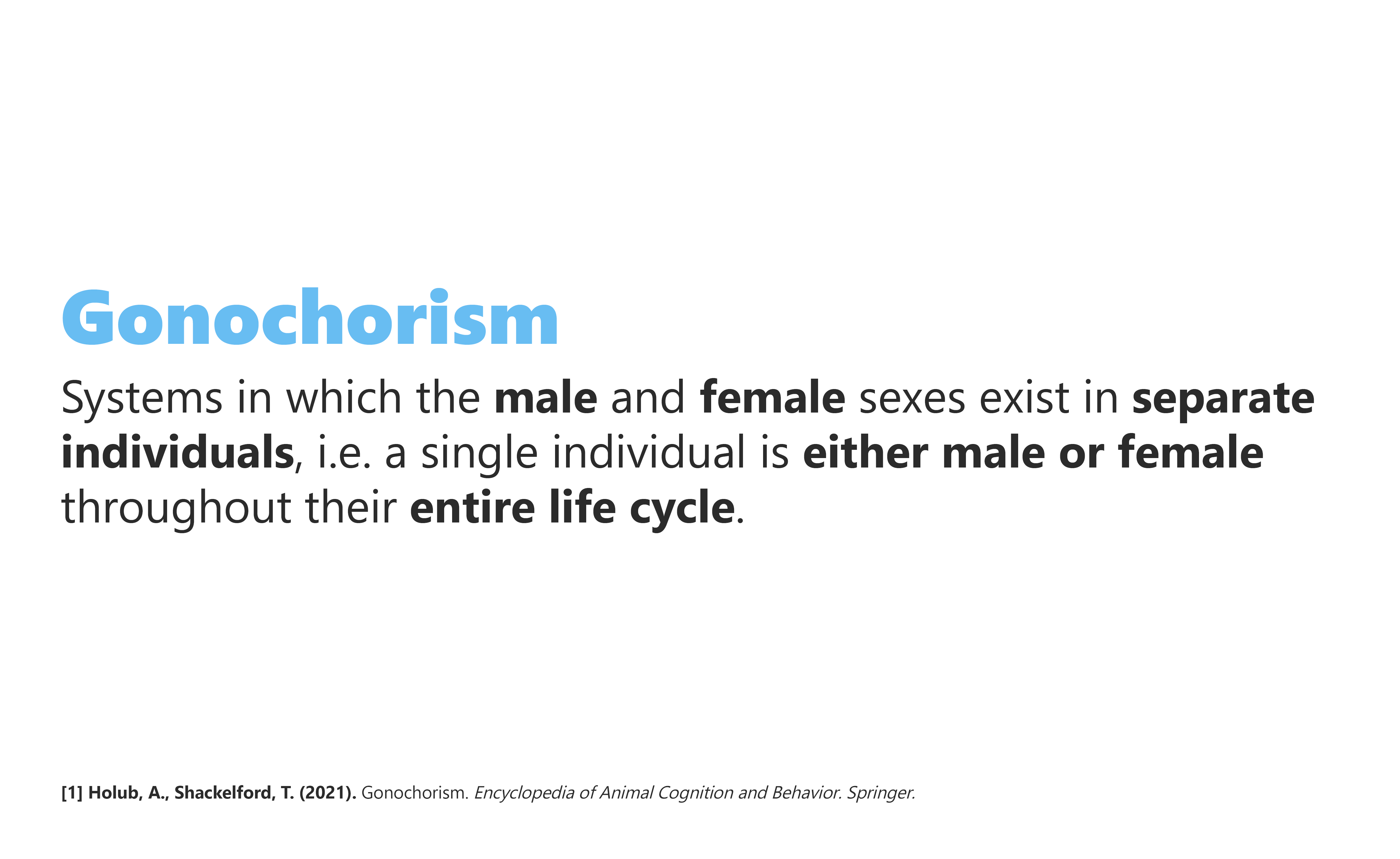
But no sex change occurs. These individuals are male for life. At puberty, they simply continue along the male pathway through further developing their external genitals. This is not a sex change. Humans are gonochoric, where individuals are either male or female for life (Holub & Shackelford, 2021).
5 - He claims this condition is called pseudohermaphroditism.
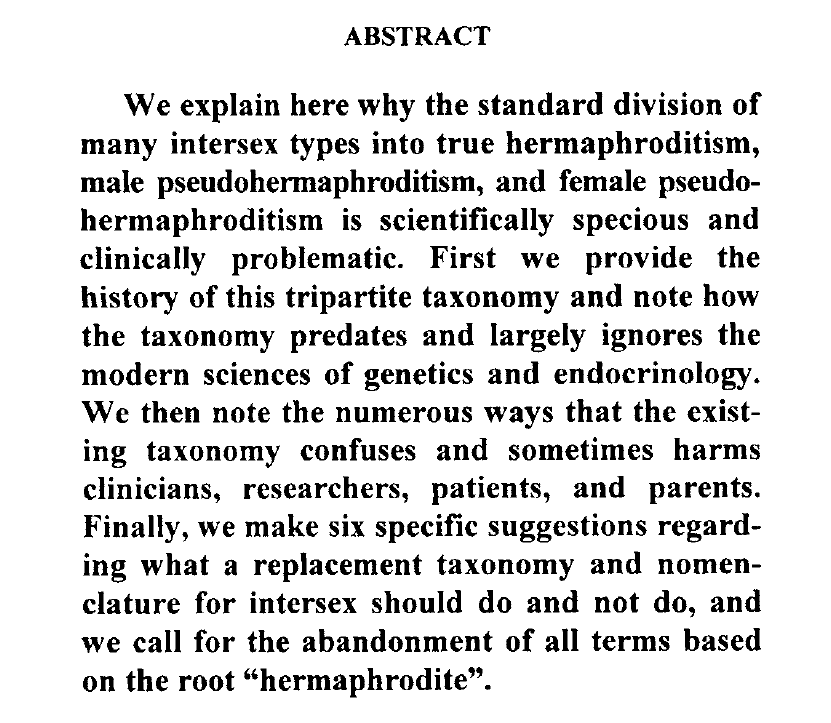
No, it’s called 5-alpha reductase deficiency, because it’s a deficiency in the 5-alpha reductase enzyme. Medicine has abandoned the use of the term pseudohermaphrodite since the early 2000s because it conflates distinct conditions, making it “scientifically specious and clinically problematic” (Dreger et al. 2005).
6 - He claims that natural selection doesn’t impact it.
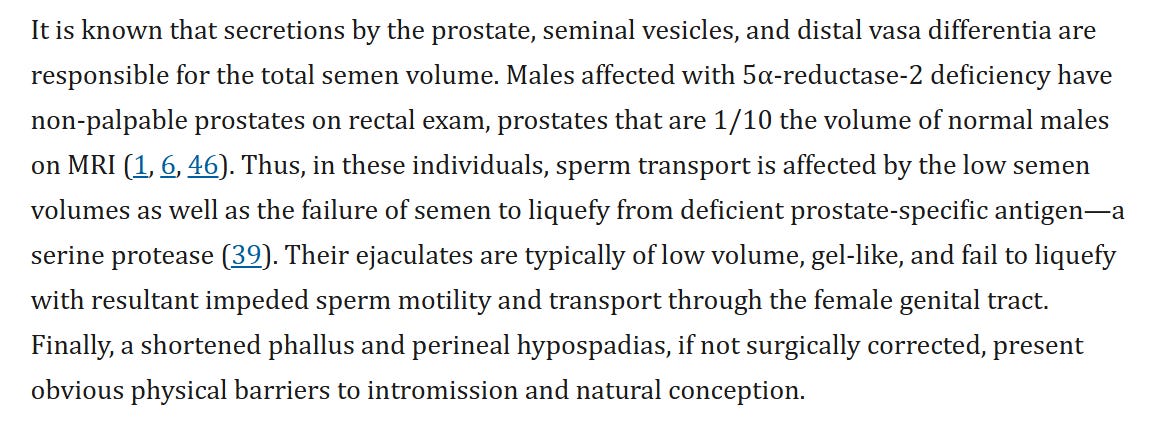
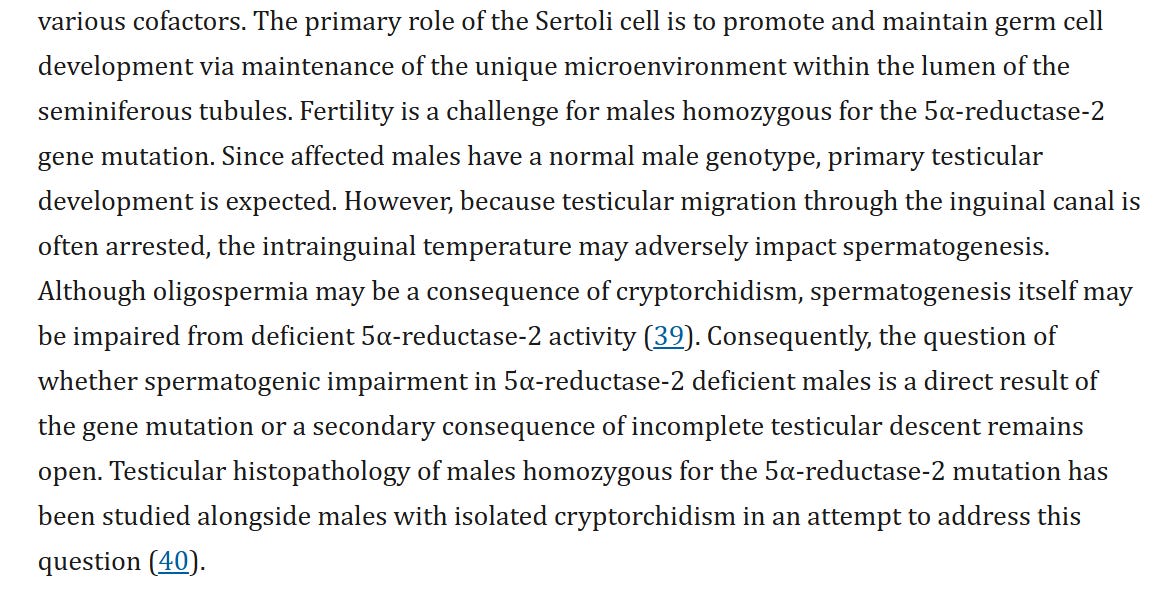
But 5-ARD profoundly impacts fertility. First, low DHT can impair the growth and differentiation of sperm cells and the growth of the prostate, causing them to have a prostate that is 1/10th the healthy size. Small prostates mean that semen volumes are low, harming sperm transport and motility. Second, undescended testes can also disrupt the careful balance of temperature for sperm creation (Kang, Imperato-McGinley, Zhu, & Rosenwaks, 2014)
7 - Finally, Masters claims that we all start out as females.
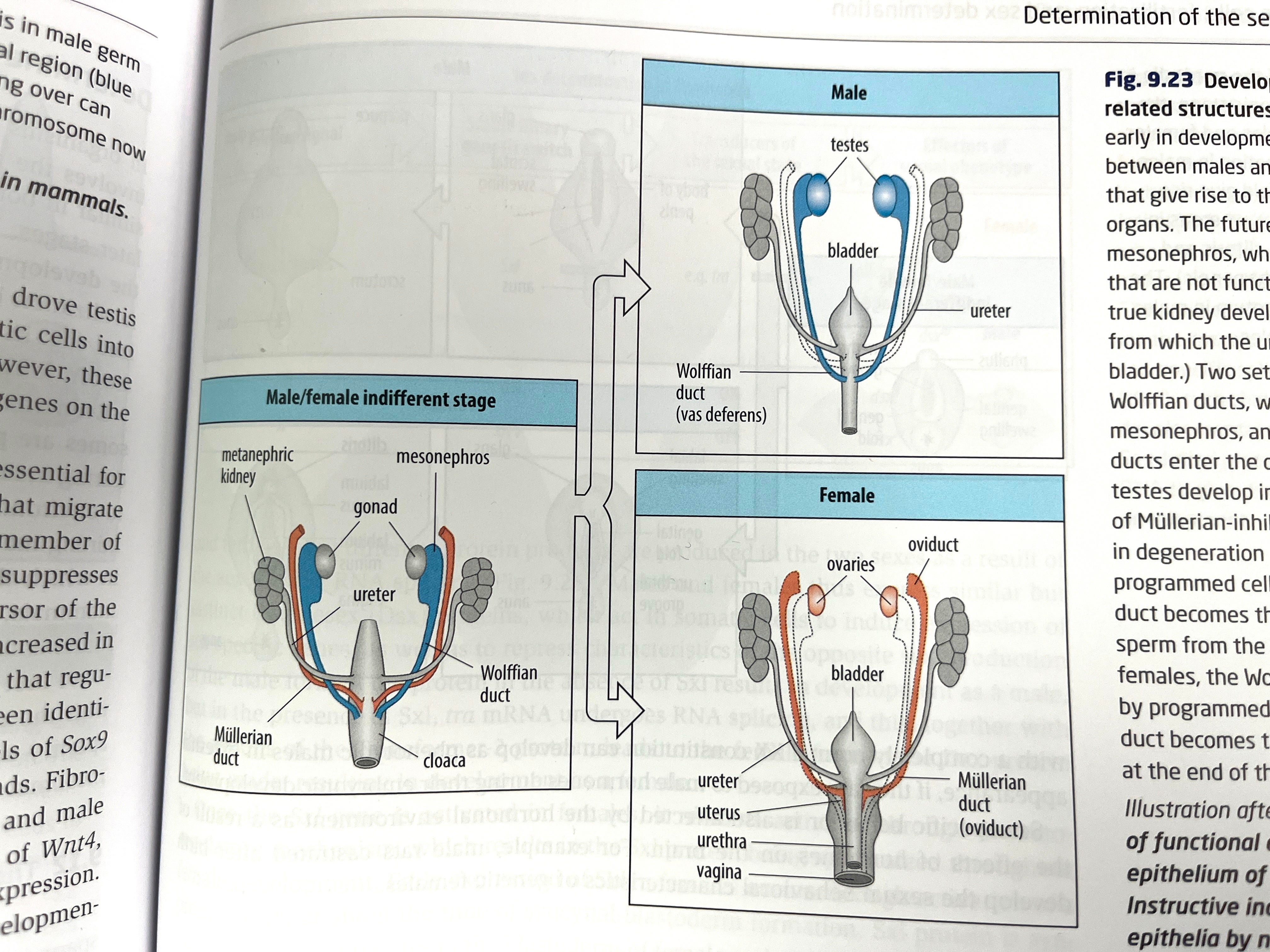
No, we all start genetically sexed and physically undifferentiated before genetics drive us down either pathway (Wolpert et al. 2019). See our video “Debunking ‘We All Begin Female’” for a concise explanation and our longer animated video for a thorough deep dive.
Conclusion
In conclusion, individuals with 5-ARD are male from conception, with testes and the SRY gene. The disorder only affects the production of DHT, leaving external genitals underdeveloped. At puberty, the surge of testosterone from the testes causes masculinization of the genitals. Therefore, this condition is an example of a male disorder, not a sex change.
I presented the above scientific evidence to Masters in a post on X. He responded to me with a BBC article describing how such males are “brought up as girls” and “appear to have a vagina.”
And then he said, “This is true. No false claims involved. Perhaps some details were missed as I am not a self-proclaimed ‘science educator in the biology of sex’ but this is how it was explained to me in graduate school. Appreciate the troll tho.”
To which I responded:
“Not a troll. It’s a scientific rebuttal of false claims about a disorder, using in-text scientific papers. The goal is to help educate others and stop the spread of misinformation about people with disorders of sex development, whose care is often harmed by false info.”
For more on 5-ARD, see our animation on the topic, along with our new book, The Sex Development Handbook, which covers 25 of these disorders with elegant diagrams and accessible commentary for a wide audience. Links are in the description.
And if you’d like to support our work of restoring reality to science education, please consider donating at theparadoxinstitute.org. Your contribution funds the production and distribution of our educational media.
Scientific sources
Wolpert, L., Tickle, C., & Martinez Arias, A. (2019). Principles of Development (6th ed.). Oxford University Press.
Rey, R., Josso, N., Racine, C. (2020). Sexual differentiation. In: Endotext. South Dartmouth, MDText, Inc.
Kumar, G., & Barboza-Meca, J. J. (2022). 5-Alpha-Reductase Deficiency. In: StatPearls. StatPearls Publishing.
Kang, H., Imperato-McGinley, J., Zhu, Y.-S., & Rosenwaks, Z. (2014). The effect of 5a-reductase-2 deficiency on human fertility. Fertility and Sterility, 101(2), 320–326.
Kashimada, K., Koopman, P. (2010). Sry, the master switch in mammalian sex determination. Development, 137.
Dreger, A. D., Chase, C., Sousa, A., Gruppuso, P. A., & Frader, J. (2005). Changing the nomenclature/taxonomy for intersex: A scientific and clinical rationale. Journal of Pediatric Endocrinology and Metabolism, 18(8), 729–733.
Holub, A., Shackelford, T. (2021). Gonochorism. Encyclopedia of Animal Cognition and Behavior. Springer.
Where does Rogan find these crackpots?
He's an anthropologist, not a biologist or geneticist. Why is he even being presented as an "expert" on the subject? Too bad the gullible are so easily swayed.